Ji-shaped / Omega Steel Plate Roll Forming Machine
Author: Site Editor Publish Time: 2026-10-22 Origin: Site
What is Ji-shaped / Omega Steel Plate Roll Forming Machine ?
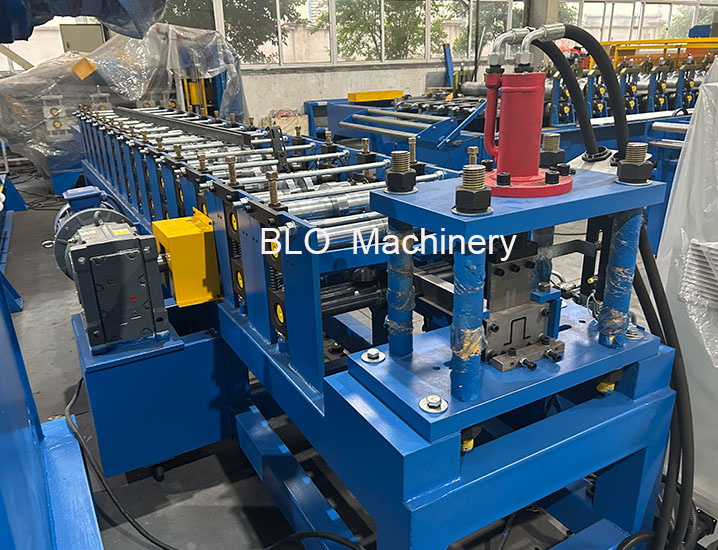
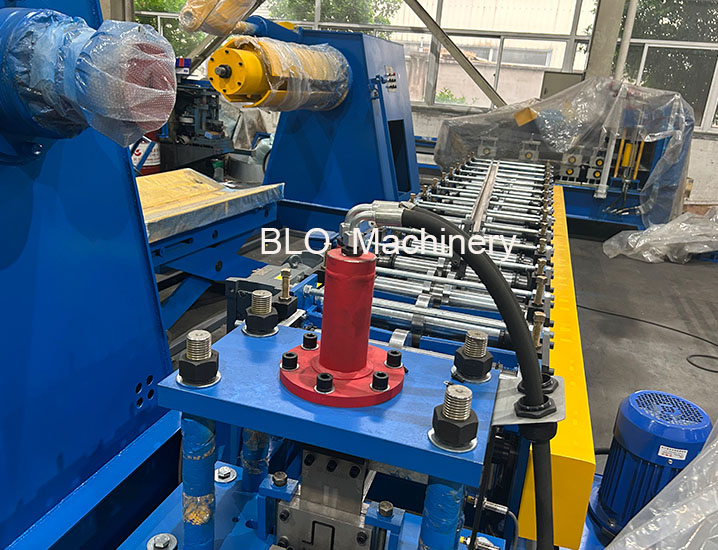
The term "几 roll forming machine" most likely refers to a specific "几"-shaped (Ji-shaped) steel plate roll forming machine, which is a specialized equipment for producing steel plates with a cross-section resembling the Chinese character "几". This is not a general-purpose roll forming machine, but rather a dedicated patent design.
Main Parts of Production Process
1. Feeding and Positioning Components
Conveyor Rollers: At least 4 rollers, located at the front of the machine frame, responsible for receiving the steel plate and transporting it backward.
Edge Grinding Positioning Wheels: Located between two sets of conveyor rollers, used to guide and position the steel plate to ensure it enters the rolling unit aligned straight.
2. Core Forming Components (A/B Series Roller Sets)
This is the core of the equipment. The rollers are divided into A series (upper) and B series (lower), which cooperate with each other to complete the gradual forming process:
Pressing Rollers (A/B): The first station, performing initial pressing on the steel plate to ensure flatness and consistent levelness.
Edge Pressing Roller Series (A/B): The second station, first folding the edges of the steel plate to create the basic outline of the "几" shape.
Concave Rolling Roller Series (A/B): The third station, gradually pressing the middle part of the steel plate into a concave shape.
Forming Roller Series (A/B): The final station, shaping the steel plate into the final "inverted 几 shape" and discharging it.
3. Power and Adjustment Components
Driver and Chain Transmission: The driver (at least 3 units) drives the rotating gears through a chain, thereby driving the B series rollers to rotate counterclockwise; the A series rollers are driven to rotate clockwise by the friction between the steel plate and the B series rollers.
Lifting Adjuster: Installed on both sides of the machine frame, each A series roller is equipped with one, used to adjust the gap between the A and B series rollers to accommodate steel plates of different thicknesses.
Overview of Production Process Flow
Manual Feeding: The steel plate is manually placed onto the inlet conveyor rollers.
Positioning and Leveling: The steel plate passes through the edge grinding positioning wheels and the first set of pressing rollers, completing edge alignment and leveling.
Sequential Forming: The steel plate is driven by the rollers and passes sequentially through the edge pressing, concave rolling, and forming stations, with the cross-section gradually changing from flat to "几" shaped.
Discharge and Completion: The formed "inverted 几 shape" steel plate is discharged from the rear of the machine.